To date, the EBRD has invested €3.712 billion in Azerbaijan across 202 projects
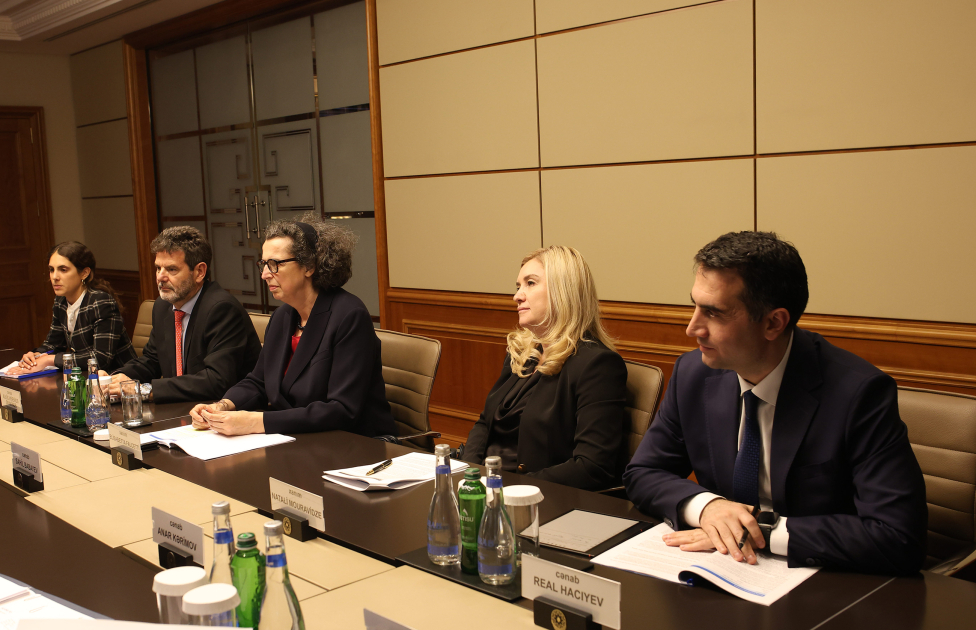
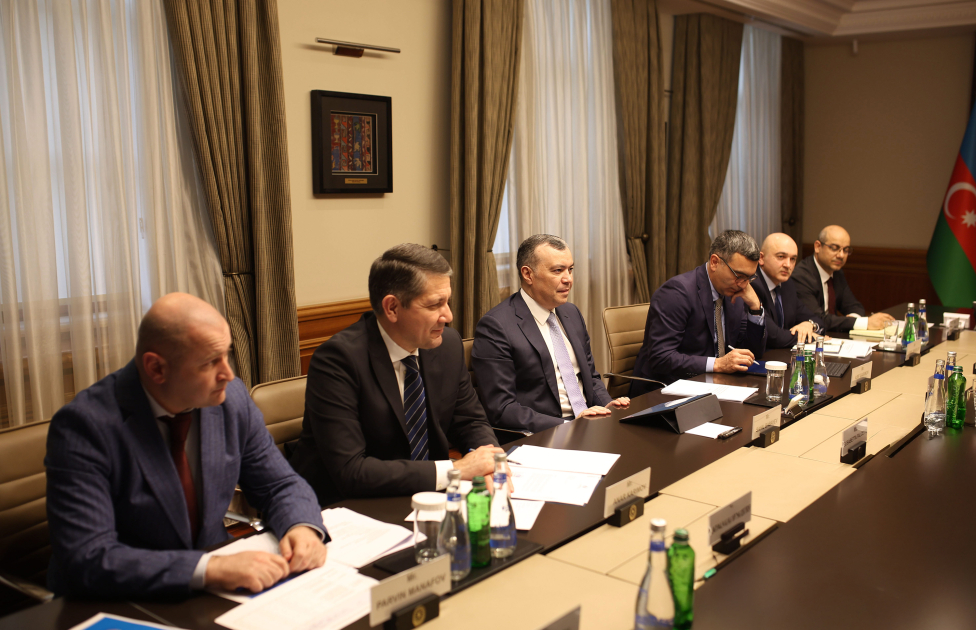
On April 30, Azerbaijan’s Minister of Finance Sahil Babayev met with a delegation led by Elisabetta Falcetti, Executive Director for Türkiye and the Caucasus at the European Bank for Reconstruction and Development, who is currently visiting the country.
According to the Ministry of Finance, the meeting focused on prospects for expanding cooperation between Azerbaijan and the EBRD, the status of ongoing projects, and future initiatives.
Minister Sahil Babayev noted that cooperation with the EBRD plays a significant role in the country’s sustainable socio-economic development and continues within the framework of the Bank’s 2025–2030 Country Strategy, particularly in areas such as economic diversification, private sector development, green transition, and enhanced regional connectivity.
It was highlighted that, to date, the EBRD has invested €3.712 billion in Azerbaijan across 202 projects. Currently, the Bank’s portfolio in the country stands at €898 million, with a substantial share allocated to the private sector.
Touching upon infrastructure projects being implemented in Ganja with EBRD support, the Minister emphasized the strategic importance of the water supply and sewerage project, underlining the need for phased implementation and adherence to financing schedules.
It was also noted that Azerbaijan, within the framework of its cooperation with the EBRD, contributes as a donor partner to various funds managed by the Bank.
In turn, Elisabetta Falcetti expressed satisfaction with the development of cooperation with Azerbaijan and reaffirmed the EBRD’s readiness to continue joint initiatives aimed at supporting the private sector, expanding green finance instruments, and developing sustainable infrastructure.
During the meeting, the parties also exchanged views on the water supply and wastewater project in Shaki, as well as initiatives planned under the Greater Baku–Absheron Water Program.
The sides emphasized the importance of considering debt sustainability, implementation capacity, and balanced risk-sharing as key criteria in evaluating new projects, along with the combined use of loans, grants, and technical assistance instruments.